Sponsored article
Over the years, women’s medical apparel has undergone a remarkable transformation, driven by the need to balance comfort with professionalism. As healthcare environments evolve, so too do the demands on what constitutes appropriate and effective attire for medical professionals. A blend of functional design, cutting-edge materials, and aesthetic appeal has resulted in uniforms that not only meet stringent professional standards but also cater to personal comfort and style preferences, redefining women’s roles in the health sector.
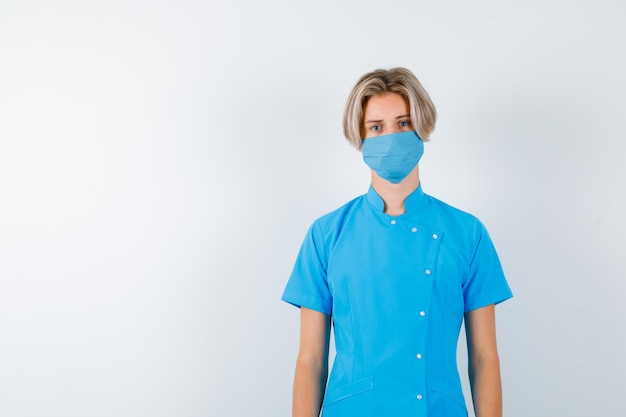
The history of medical uniforms has seen a remarkable transformation over the centuries, particularly in women’s medical attire. In the early days, the primary focus was on hygienic, simplistic, and functional clothing. Early healthcare clothing for women consisted of plain dresses and aprons, modest in design, reflecting the societal norms of the time. However, as women began to play more critical roles in healthcare, there was a push for apparel that mirrored both professionalism and comfort. The changes in medical dress were significantly influenced by the evolving role of women in the workforce and the advancements in fabric technology. By the late 20th century, uniforms began incorporating synthetic materials and ergonomic designs. Today’s modern attire, like women’s long sleeve scrubs tops, showcases a blend of style, comfort, and practicality, enabling healthcare professionals to move with ease and perform efficiently. The evolution of women’s medical apparel highlights the delicate balance between comfort and professionalism, driven by both fashion trends and the functional demands of healthcare work.
In the fast-paced environment of hospitals and clinics, the significance of medical apparel comfort cannot be overstated. Modern healthcare clothing comfort has become paramount as medical professionals spend extended periods attending to patients. Recent advancements in fabric technologies, such as moisture-wicking and antimicrobial properties, have made ergonomic scrubs not only practical but also more comfortable to wear throughout long shifts. These innovations in breathable medical wear allow skin to breathe, reducing irritation and the risk of overheating. Ergonomic designs tailored to the natural movement of the human body also play a crucial role, promoting agility and reducing fatigue. This combination of factors contributes significantly to the well-being of healthcare professionals, enabling them to focus more on patient care rather than being distracted by uncomfortable attire. As medical apparel continues to evolve, prioritizing comfort is essential for enhancing both the efficiency and job satisfaction of those on the front lines of healthcare.
In today’s healthcare environment, the evolution of women’s medical apparel has beautifully struck a balance between professional medical attire and personal expression, reflecting a significant shift from the traditional, monotone scrubs to stylish healthcare uniforms. Modern designers understand the importance of maintaining a professional image while allowing healthcare professionals to express themselves, enhancing both their comfort and confidence. Contemporary medical dress codes increasingly incorporate elements that permit personal expression in medical clothing, such as varied colors, unique patterns, and tailored fits. These changes have had a profound impact on workplace morale, fostering a sense of individuality and satisfaction among professionals. Notably, the infusion of personal style into professional medical attire can:
Ultimately, the blend of style and professionalism is key to redefining how medical professionals present themselves, influencing both their own experiences and the first impressions of patients.